Longhair Monoline Script: A Font That Lifts Your Brand
If you run a small business, every detail of your brand matters. Your logo, your packaging, your social media posts — they all send a signal to customers about who you are and what you stand for. One of the easiest ways to elevate that signal is by choosing the right typeface. That is where Longhair, a monoline script font from the Script Amp collection, comes into the picture. It brings a quiet elegance and a modern edge that can make your business materials feel polished without trying too hard.
As a small business owner, I have learned that a good font is not just about looking pretty. It is about making your brand consistent, recognizable, and trustworthy. Longhair helps with all three. It has a flowing, handwritten feel that is refined enough for serious branding but still approachable enough to feel personal. Whether you sell handmade candles, run a boutique coffee shop, or offer coaching services, Longhair can become a visual anchor for your brand identity.
What Makes Longhair Different from Other Script Fonts
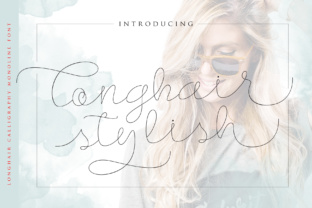
Many script fonts feel either too formal or too casual. Longhair sits in a sweet spot. It is a monoline script font, which means the strokes have a consistent width. This gives it a clean, modern look that works well both in print and on screens. The letterforms are graceful but not overly decorated. They feel deliberate and confident, like a hand-lettered sign from a skilled calligrapher who also appreciates simplicity.
The personality of Longhair is best described as understated luxury. It does not shout for attention. Instead, it invites people to look closer. This makes it ideal for brands that want to communicate quality without being flashy. If your target customers appreciate thoughtful design and subtle details, Longhair will resonate with them.
Real Business Uses for Longhair Across Touchpoints
The true value of any premium font is how well it performs in real scenarios. Longhair is versatile enough to handle multiple roles in your brand toolkit. Here are some practical ways to put it to work.
Logos and Primary Brand Marks
Longhair works beautifully as a logo font for businesses that want a handwritten but sophisticated look. A bakery called "Flour & Fig" could use Longhair for the main wordmark, pairing it with a simple icon. A beauty brand selling organic serums might use Longhair for the product line name on labels. The font gives off a handmade feel without looking amateurish, which is exactly what most small businesses need.
Product Labels and Packaging
For physical products, your label is often the first thing a customer sees on a shelf or in an online thumbnail. Longhair holds up well at small sizes, which is critical for packaging. Imagine a candle label with the scent name set in Longhair, or a box of artisanal chocolates with the brand name in this display font. It adds a layer of craftsmanship that tells customers you care about the details. Pair it with a clean sans serif font for ingredients or product descriptions to keep everything readable.
Business Cards and Stationery
Business cards are still a powerful networking tool, especially for boutique owners and service providers. Longhair used for your name or tagline on a card makes a memorable impression. Pair it with a simple serif font for contact details. The contrast between the flowing script and the structured serif creates a balanced, professional look. The same approach works for thank-you cards, letterheads, and invoices. Consistency across these items builds trust with every interaction.
Menus and In-Store Signage
Café and restaurant owners will find Longhair useful for menu headings and featured items. It adds a touch of elegance to a brunch menu or a wine list without making it hard to read. For in-store signs, Longhair works best as an accent font for key phrases like "House Special" or "Handcrafted Daily." Use a legible sans serif for the bulk of the menu text so customers can quickly find what they need.
Social Media Graphics and Digital Ads
On platforms like Instagram and Pinterest, visuals drive engagement. Longhair can be used for quote graphics, promotional banners, and product highlight posts. Its clean lines ensure that text remains readable on mobile screens, even when used as an overlay on photos. For Instagram Stories, Longhair works well for short headlines or call-to-action phrases. Keep your body text in a simpler typeface to maintain clarity.
Website Banners and Email Headers
Your website is your storefront online. Using Longhair for hero section headlines or section titles gives your site a distinctive look. It pairs nicely with a neutral sans serif font for body text. In email newsletters, use Longhair sparingly for the greeting or a featured product name. Too much script can slow down reading, but a little goes a long way to add personality.
When Longhair Should Be the Star and When It Should Support
Longhair is at its best as a headline font or accent font. Use it for your business name, product names, taglines, and key phrases. It draws attention and adds a human touch. For longer blocks of text, like product descriptions or blog content, rely on a more neutral sans serif or serif font. This keeps your brand readable and professional while still letting Longhair shine where it matters most.
Think of Longhair as the signature of your brand. You would not write an entire letter in your signature, but you would use it to sign the page. The same logic applies here. Lead with Longhair for impact, then support it with clean, dependable fonts for the details.
Readability in Real Business Settings
One of the first questions I ask when considering a new creative font is whether it will actually be readable in the places where customers will see it. Longhair passes this test well. Its monoline construction means the letters stay open and clear, even at smaller sizes on product labels or mobile screens. On printed packaging, the consistent stroke weight prevents the text from looking messy or smudged. On Instagram thumbnails, the letterforms remain distinct enough to read without zooming in.
That said, it is always smart to test a font before committing across your entire brand. Print a sample label at the actual size you plan to use. Preview a social media post on your phone. Make sure the typeface feels natural in the context where people will actually encounter it. Longhair is flexible enough to work in most scenarios, but a quick test can save you from surprises down the road.
Simple Font Pairing Ideas for a Cohesive Brand
Pairing Longhair with the right secondary font can make your brand feel complete. Here are a few combinations that work well for small businesses.
- Longhair + a classic sans serif font like Montserrat or Open Sans. This combo is clean and modern. Use Longhair for headings and the sans serif for body text. It works for almost any business type, from skincare to stationery.
- Longhair + a refined serif font like Playfair Display or Lora. This pairing feels elegant and editorial. Ideal for wedding-related businesses, luxury goods, or creative services. The serif adds a classic counterpoint to Longhair's flowing script.
- Longhair alone as a monogram or accent. Sometimes you do not need a second font. Use Longhair on its own for a minimalist lockup or a simple product stamp. This is especially effective for small labels, stickers, and social media badges.
The goal is to create contrast without conflict. Longhair brings movement and warmth. Pair it with a font that provides stability and breathing room.
Testing Longhair Before Full Brand Adoption
Before you commit to Longhair across every touchpoint, take it for a test drive. Use it in a few mockups first. Create a draft logo, a sample product label, and a social media post. See how it looks in black, white, and a few accent colors. Try it out at different sizes and on different backgrounds. This process helps you confirm that the font fits your brand personality before you invest time in updating everything.
I recommend testing Longhair with actual customer materials like a business card or a packaging sleeve. Print a few samples and show them to trusted colleagues or even a few loyal customers. Feedback at this stage is invaluable. Longhair is a premium font that deserves to be used thoughtfully, and a little testing goes a long way toward getting it right.
The Importance of Commercial Font Licensing for Business Owners
One detail that many entrepreneurs overlook is font licensing. When you use Longhair for your business logo, product packaging, website, or social media graphics, you need to ensure you have the proper commercial font license. This is especially important if you plan to use the font on physical products, merchandise, digital templates, or client work.
Check the license terms provided with Longhair through Script Amp or wherever you purchase your fonts. Some licenses cover everything, while others may require an extended license for certain uses like product packaging or app design. Making sure your license matches your actual usage protects your business and respects the work of the font designer. It is a simple step that prevents legal headaches later.
Bringing It All Together
Longhair is more than just a beautiful script font. It is a practical design asset that can help your small business communicate elegance, consistency, and trust. From your logo to your product labels, your business cards to your Instagram posts, this monoline script font gives you a cohesive visual voice that customers will remember.
When you choose Longhair, you are choosing a handwritten font that feels modern and intentional. It helps you stand out without losing readability. And when you pair it with the right supporting typeface, your brand identity becomes something people want to connect with. For any small business owner who wants to look professional and approachable at the same time, Longhair is a solid investment worth making.